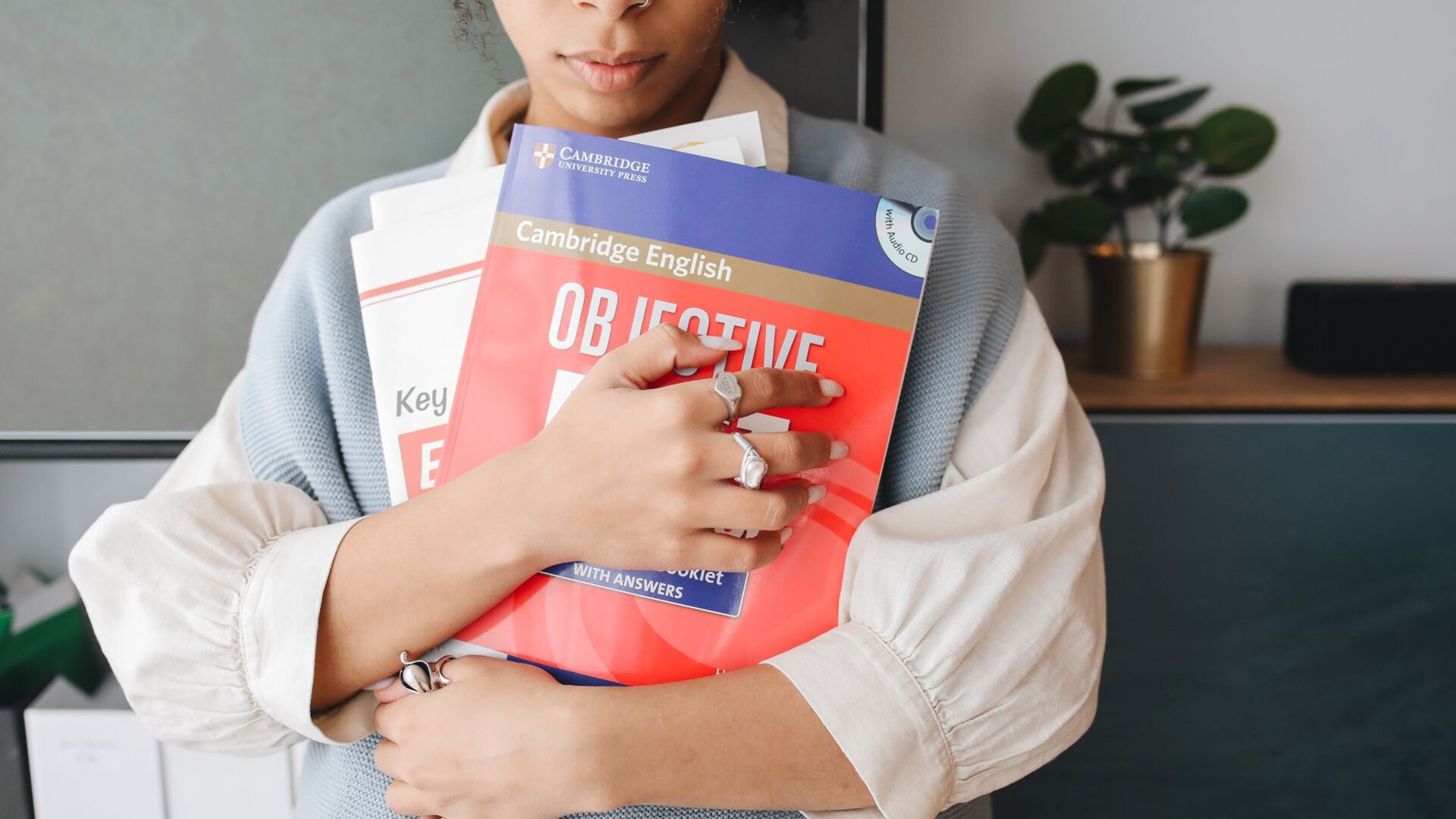
IELTS: Score Requirements & Immigration Pathways
Test dates, fees and locations

The British Council in United Arab Emirates offers IELTS tests in 40 locations.
Find out which test is best for you, and choose between IELTS tests on paper or computer, which are both delivered in one of our official test centres. If you are weighing up the alternative, our PTE Academic score guide sets out the scores each destination expects.
Tests we offer
| Test type | Fee | Book |
|---|---|---|
| IELTS on paper – Academic and General Training | AED 1,270 |
|
| IELTS on computer – Academic and General Training | AED 1,370 | |
|
IELTS from British Council - Premium (on paper) Includes comprehensive test preparation support, luxury venue, complimentary food and beverages and a dedicated customer service representative. Enquire about IELTS Premium (paper) service |
AED 1,770 | Enquire to Book |
|
IELTS from British Council - Premium (on computer) Includes comprehensive test preparation support, luxury venue, complimentary food and beverages and a dedicated customer service representative. Enquire about IELTS Premium (computer) service |
AED 1,910 | Enquire to Book |
| IELTS for UK Visas and Immigration on paper (Academic and General Training) | AED 1,375 |
|
| IELTS for UK Visas and Immigration on computer (Academic and General Training) | AED 1,450 | |
| IELTS Life Skills (A1 and B1) | AED 700 |
What does the fee include? Our IELTS test fee includes exclusive preparation materials, free practice tests and much more.
Looking to work, study, or live in the UK?
If you need a visa for working or studying in the UK, then in some cases you may need to
take IELTS for UK Visas and Immigration or IELTS Life Skills.
See also
Prepare for your IELTS Test with the British Council
Share this
Email Facebook X LinkedInLast updated: June 2026 — test versions, score validity and One Skill Retake acceptance reviewed against current IRCC and Australian Home Affairs guidance.
IELTS for Immigration — FAQs
What's the difference between IELTS Academic, General Training and UKVI — which do I need?
They share the same difficulty; what differs is acceptance. Academic is for university admission, General Training for migration — Canada PR and Australia PR included — and UKVI is the identical test taken at a UK-Home-Office-approved secure centre, mandatory for most UK visa routes. Match the test to your visa before booking: the wrong version wastes the whole attempt.
How long is my IELTS score valid for immigration?
Two years from the test date for most visa purposes. IRCC requires the result to be valid on the day you submit your Canada PR application, while Australia accepts scores up to three years old for several skilled visas. Sequence the test so it doesn't expire mid-process — expiry is the most common self-inflicted delay we see.
What does my IELTS score mean in CLB for Canada?
CLB 9 — the level that unlocks the biggest CRS points — means IELTS 8.0 in Listening and 7.0 in Reading, Writing and Speaking. CLB 10 needs 8.5, 8.0, 7.5 and 7.5. Each half-band below drops that skill's CLB, and your lowest skill caps your points — so train your weakest band, not your average.
Can I retake just one IELTS module (One Skill Retake)?
One Skill Retake exists — computer-based, within 60 days of your original test — but acceptance is the catch. Australia's Home Affairs accepts it for eligible visas, and it works in many UK and New Zealand contexts. Canada's IRCC does not accept it for Express Entry; only the EMPP pathway. Canada-bound applicants should plan a full retake.
IELTS or PTE — which should I take for immigration in 2026?
Both are officially accepted: PTE Core for Canada PR alongside IELTS General Training, and PTE Academic for Australia. IELTS remains the most universally recognised — UK SELT lists, New Zealand and most universities. PTE returns results in 24–48 hours with AI scoring; IELTS suits people stronger with human examiners. Choose by destination acceptance and format fit, not hearsay.
How do I improve from band 6.5 to 7 in IELTS Writing?
A 6.5 in Writing is rarely an English-level problem — it's task response and coherence. Address every part of the question, take a clear position, build one idea per paragraph, and drop memorised templates, which examiners actively mark down. One marked mock with examiner-style feedback typically moves you further than ten more unmarked practice essays.
Computer-based or paper IELTS — is one easier?
Neither — content and scoring are identical. Computer-based IELTS returns results in one to five days versus around thirteen for paper, offers more test dates, and suits fast typists; paper suits people who like annotating Reading passages by hand. "Computer is easier" is a myth — convenience, not difficulty, is the real difference between the two.
Enter your information
Choose the Destination to migrate
